Categories
Screenwriting

The Power of Character Arcs in Screenwriting

In this video, we explore the importance of character arcs in screenwriting and how they can enhance the overall storytelling experience. A character arc is the transformation or journey a character undergoes throughout the course of a narrative, typically evolving from one state of being to another.

Whether it’s a protagonist overcoming their internal struggles or a villain being redeemed, character arcs create depth and nuance that engage audiences on a deeper level. By understanding and implementing effective character arcs, writers can elevate their scripts and connect with viewers on an emotional level.

Join us as we delve into the power of character arcs in screenwriting and learn how to craft compelling and memorable characters that resonate with audiences long after the credits roll.

Subscribe for more tips and insights on writing for the screen!

Transcript:

Character arcs are essential in screenwriting. They are the foundation of a compelling story, showing how a character evolves and grows throughout the narrative.

A character arc consists of three main stages: the starting point, the journey, and the resolution.

In the starting point, the character is introduced with their flaws, fears, and desires. This sets the stage for their growth and transformation.

As the journey unfolds, the character faces obstacles and challenges that force them to confront their weaknesses and make difficult choices.

These experiences shape the character, leading to a change in their beliefs, values, and behavior.

Finally, in the resolution, the character emerges transformed, having overcome their inner and outer conflicts.

Character arcs add depth and complexity to a story, allowing the audience to connect with the character on a deeper level.

So, next time you’re writing a screenplay, remember the power of character arcs in creating a memorable and impactful story. Thanks for watching the video and don’t forget to subscribe to our channel!

#screenwriting #characterarcs #writingtips #storytelling #filmmaking #writingcommunity #screenplay #scriptwriting #creativeprocess #storydevelopment #characterdevelopment #plotstructure #screenwriters #writingadvice #narrative #dialogue #amwriting #writerslife #writingworkshop #plotdevelopment

Categories
Uncategorized

The Ultimate Pursuit: Heroes in Hollywood

In the world of Hollywood movies, we often see heroes embarking on epic journeys and tackling impossible challenges. But what is it that drives these heroes to pursue their goals with such unwavering determination? Join us as we explore the ultimate pursuit of heroes in Hollywood, uncovering the motivations, obstacles, and triumphs that define their journeys. From unlikely underdogs to unstoppable champions, these heroes inspire us to believe in the power of perseverance and the triumph of the human spirit. Join us as we dive into the depths of cinematic storytelling and discover what it truly means to be a hero in the world of Hollywood.

Stay tuned for more insights, analysis, and commentary on the heroes that captivate us on the silver screen. Don’t forget to like, comment, and subscribe for the latest updates on all things Hollywood and beyond.

Transcript:

Heroes in Hollywood are always on a thrilling pursuit. They are driven by a sense of duty, a desire for justice, and a need to make the world a better place.

Their pursuits often involve facing insurmountable odds, overcoming incredible obstacles, and ultimately triumphing against all odds.

Whether it’s a quest for revenge, a mission to save the world, or a journey of self-discovery, heroes in Hollywood movies never give up.

Their pursuit is not just about achieving a goal, but also about embodying values like courage, sacrifice, and loyalty.

Their relentless pursuit inspires us to be better, to never give up, and to always strive for greatness.

So next time you watch a Hollywood movie, pay attention to what the hero is pursuing. Because their ultimate pursuit is more than just a plot point – it’s a reflection of the kind of hero we all aspire to be.

Thanks for watching the video. Don’t forget to subscribe to our channel for more content like this.

Categories
Screenwriting

Decoding High Concept in Film

Welcome to our latest video, where we dive into the fascinating concept of “high concept” in the film industry. Have you ever wondered what exactly makes a film stand out and capture the attention of audiences? Join us as we decode the essence of high concept and how it influences the success of a film. From catchy taglines to memorable visuals, we’ll explore how filmmakers use high concept to create blockbuster movies that resonate with viewers around the world.

If you’re curious about the magic behind Hollywood’s biggest hits, this video is a must-watch. Discover the secrets of high concept in film and how it shapes our favorite movies.

Don’t forget to like, share, and subscribe for more insights into the world of cinema. Let’s unravel the mysteries of high concept together!

#HighConcept #FilmIndustry #Movies #Blockbusters #Hollywood

Transcript:

Do you ever wonder why certain movies become huge hits while others flop? It all comes down to something called “high concept.”

High concept refers to a film idea that can be easily pitched and understood in just a few words. It’s the unique and captivating premise that sets a movie apart from the rest.

Think of high concept as the hook that grabs your attention and makes you want to see the film. It’s what makes you say, “I have to see that movie!”

Movies like “Jurassic Park” and “Inception” are perfect examples of high concept films. Their premises are so intriguing and original that they drew massive audiences.

So next time you’re trying to come up with a movie idea, remember the importance of high concept. It could be the key to making your film a blockbuster success.

Thanks for watching the video! Don’t forget to subscribe to our channel for more insights into the world of film.

Categories
Women in Film

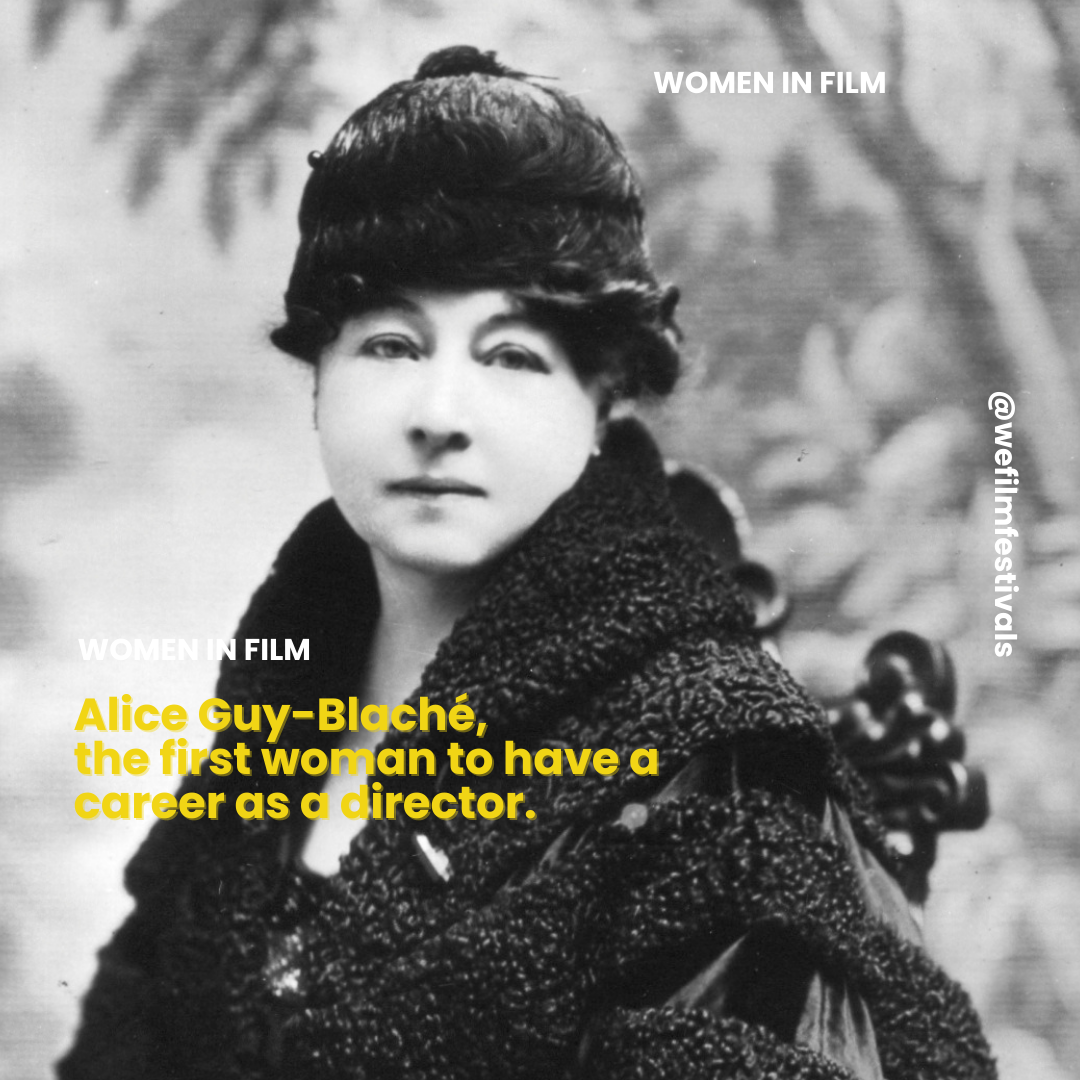
Alice Guy-Blaché: Cinema’s First Woman Director

Alice Guy-Blaché might not be a household name, but she was a trailblazing filmmaker in the French and American movie industries during the silent film era. She was the first female director and innovated the way stories were told on screen, although her contributions were ignored for many years.

Unlike her contemporaries, Guy-Blaché saw potential in films beyond simple moving images. She wanted to create stories with characters, drama, and scene changes. After witnessing the Lumière brothers’ groundbreaking Cinématographe, she was inspired to write and direct her own films. One of her first was “La Fée aux Choux” (“The Cabbage Fairy”) in 1896.

Born on July 1, 1873, in Paris, France, Alice Ida Antoinette Guy experienced a tough childhood that included moving between Chile and France and family tragedies. To help her family, she started working at 21 for Léon Gaumont, a key figure in early cinema. She quickly moved up to Head of Production at Gaumont’s company.

In 1907, Guy-Blaché married Herbert Blaché and moved to America, where they set up the Solax Company in New Jersey, a hub for filmmaking before Hollywood’s rise. She was a firm believer in women’s economic independence and took an active role in her company as president and director, producing over 700 films.

Guy-Blaché pushed boundaries in filmmaking, creating one of the first movies with sound and using special effects. She also tackled important social issues and cast diversely, including making one of the first films with an all-Black cast.

Eventually, as the film industry shifted to Hollywood, Solax faced financial difficulties. After her husband left, Guy-Blaché sold Solax, divorced, and returned to France with her children in 1922. She lived in the US later in life, finally receiving recognition for her pioneering work in cinema.